For years, disposable earplugs have been the default solution in noisy workplaces. They are cheap, easy to hand out and widely used in factories, construction sites and mines.
But attitudes toward worker safety, long-term health and environmental responsibility are changing. Today companies are expected to do more than simply tick a safety compliance box. Protecting workers properly is part of building a responsible business.
That includes choosing better solutions for something many workplaces still underestimate: hearing protection.
More companies are now moving away from disposable earplugs and switching to reusable hearing protection like Alpine WorkSafe earplugs.
Why Hearing Protection Is Critical in Industrial Workplaces
Machinery can be repaired. Buildings can be rebuilt. Equipment can be replaced.
Human hearing cannot.
Once it is damaged, it is gone forever.
In many industrial environments, loud noise is simply part of the job. Machinery, tools and heavy equipment create sound levels that can damage hearing surprisingly quickly.
Examples include:
- Construction jackhammers: around 100 to 120 dB
- Automotive factory presses and robotic arms: 90 to 105 dB
- Underground mining drills: often above 110 dB
Long-term exposure above 85 dB can already cause hearing damage.
The problem is that noise-induced hearing loss (NIHL) develops slowly and is often permanent.
Once hearing is damaged, it cannot be restored. Prevention is the only real solution.
But hearing protection must also be used in a way that keeps workers safe and aware of their surroundings.
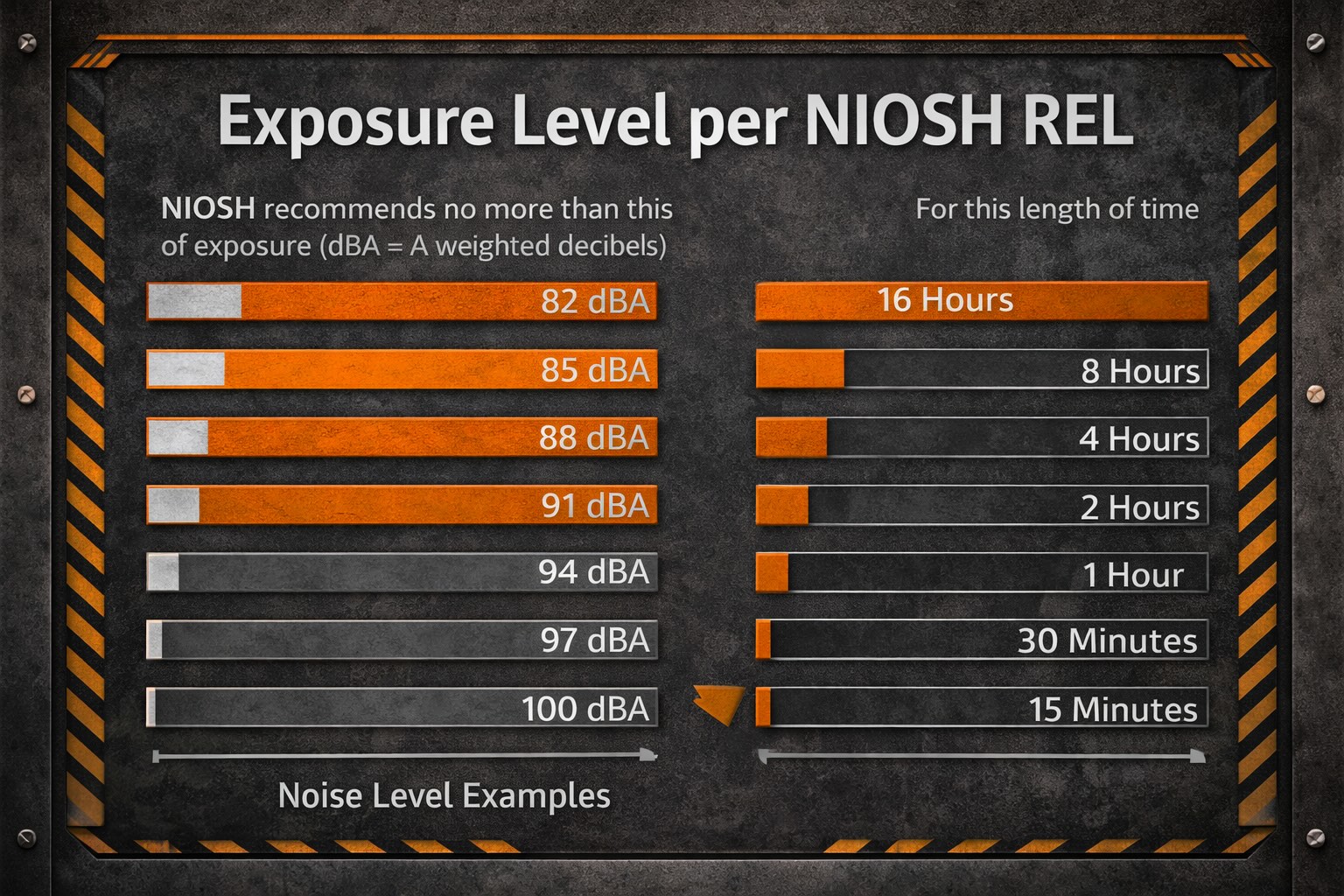
Hearing Protection Is Not Optional Under South African Law
In South Africa, protecting workers from excessive noise is not simply good practice. It is a legal requirement. The Occupational Health and Safety Act (OHSA) and the Noise-Induced Hearing Loss Regulations require employers to identify, manage and reduce noise exposure in the workplace.
If workers are exposed to noise levels above safe limits, employers must take steps such as:
- Assessing and monitoring workplace noise levels
- Implementing engineering or administrative controls where possible
- Providing appropriate hearing protection
- Training workers on how to use hearing protection correctly
- Maintaining a hearing conservation programme
The goal is simple: prevent permanent hearing damage before it happens.
Hearing Loss Is Permanent
Unlike many workplace injuries, hearing damage cannot be repaired. Once the delicate structures inside the ear are damaged by excessive noise, the loss is permanent.
Workers may not notice the damage immediately. It often develops slowly over years of exposure to loud environments.
By the time symptoms appear, such as ringing in the ears or difficulty hearing conversations, the damage has often already been done.
This is why prevention is critical.
A simple piece of protective equipment can make the difference between a worker keeping their hearing for life or losing it permanently.
Looking After Your Workers Is Also Looking After Your Business
We live in a time where companies are increasingly expected to take worker wellbeing seriously. Employers who fail to protect workers from preventable hazards can face:
- Compensation claims
- Regulatory penalties
- Reputational damage
- Long-term legal liability
No job is worth sacrificing a person’s hearing.
Noise-induced hearing loss is one of the most common occupational health claims worldwide. And in many cases it could have been prevented with proper hearing protection.
But beyond legal responsibility, there is also a simple human truth.
Workers rely on their hearing not just to do their jobs safely but also to communicate with their families, enjoy music, hear their children and live full lives outside of work.
Providing effective hearing protection is one of the simplest and most affordable ways a company can protect the long-term health of its people.
A Small Investment That Protects Workers for Life
Compared with the cost of medical treatment, compensation claims or lost productivity, hearing protection is one of the least expensive safety measures available to employers.
Yet the consequences of ignoring it can last a lifetime.
Investing in proper hearing protection is not just about compliance.
It is about recognising that the people working on construction sites, factory floors and in mines are not disposable.
Their hearing matters. And protecting it is one of the most responsible decisions any employer can make.

Typical Noise Levels in Construction, Mining and Manufacturing
Many industrial workers are exposed to noise levels far above what the human ear can safely tolerate for extended periods. Understanding how loud different tools and environments really are helps explain why proper industrial hearing protection is essential.
Below are typical noise levels found in common industries.
| Equipment or Environment | Typical Noise Level |
| Normal conversation | ~60 dB |
| Busy street traffic | 80 to 85 dB |
| Power drills and grinders | 90 to 100 dB |
| Construction jackhammer | 100 to 120 dB |
| Automotive factory stamping presses | 95 to 105 dB |
| Underground mining drilling equipment | 105 to 115 dB |
| Chainsaws and heavy cutting tools | 100 to 120 dB |
Noise levels above 85 dB can cause hearing damage when workers are exposed for long periods. In many construction, mining and manufacturing environments, workers are exposed to these levels every day.
This is why reliable hearing protection is not just recommended. It is essential for long-term worker health.
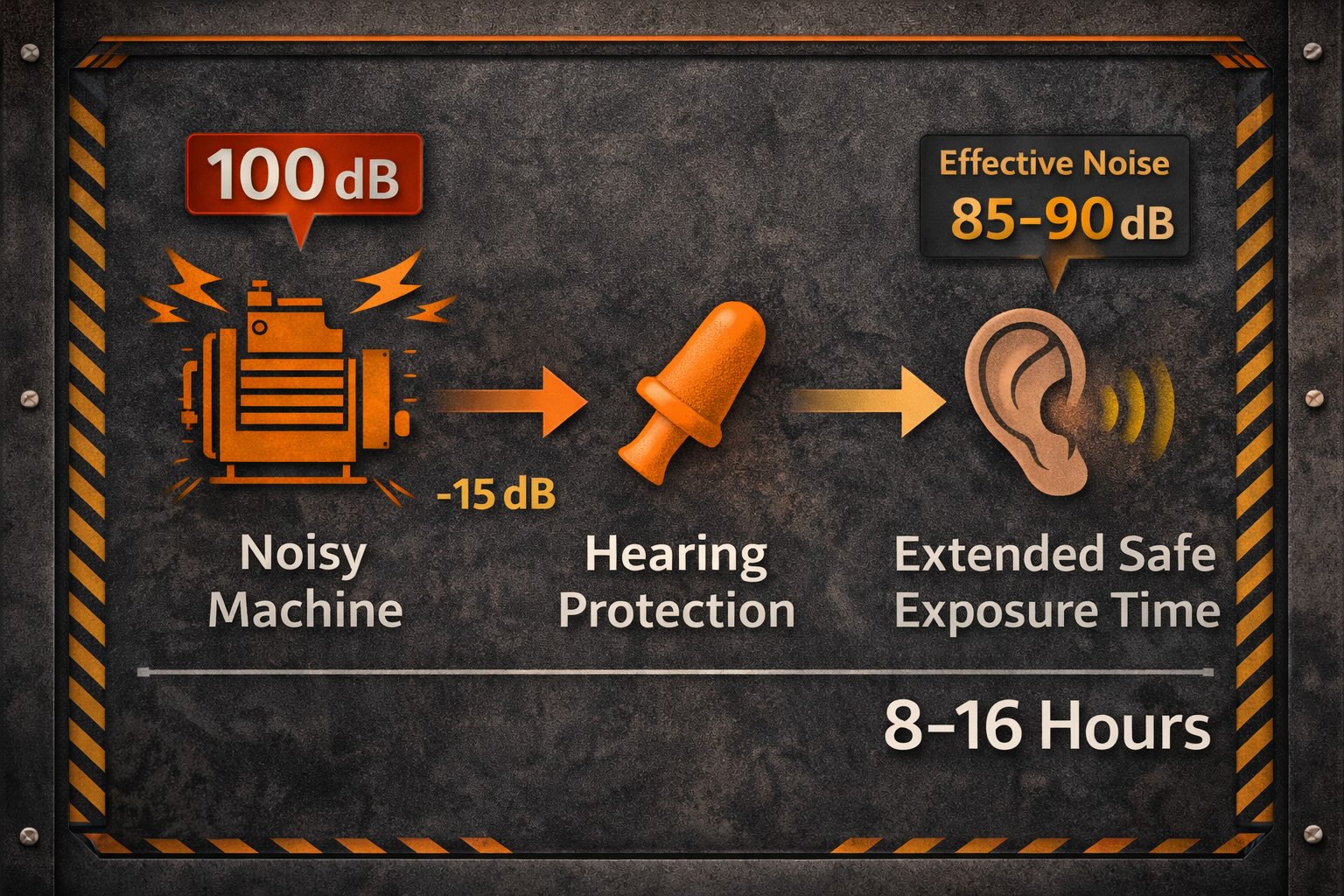
However, hearing protection should also allow workers to remain aware of their surroundings. Workers need to hear alarms, vehicles and instructions to maintain safety on busy job sites.
Filtered reusable earplugs such as Alpine WorkSafe reduce harmful noise levels while still allowing important sounds to pass through, helping protect workers without isolating them from their environment.
The Hidden Safety Risk of Blocking Too Much Sound
Many traditional earplugs work by simply blocking as much sound as possible.
While that may reduce noise exposure, it can also create a new safety problem.
Workers who are completely isolated from their surroundings may struggle to hear:
- warning signals
- reversing vehicles
- machinery changes
- instructions from colleagues
In busy industrial environments, being cut off from important sounds can increase the risk of accidents.
Effective hearing protection should therefore reduce harmful noise without isolating workers from their environment.
The Problem with Disposable Earplugs
Disposable earplugs became popular mainly because they are inexpensive and easy to distribute.
But they also come with several drawbacks.
Disposable plugs are usually:
- designed for single use
- easily lost or discarded
- made from petrochemical-based materials
- non-recyclable
Millions of disposable earplugs are thrown away every day and end up in landfills.
They can also make communication difficult.
Workers often remove them to talk to colleagues or hear instructions, which defeats the purpose of wearing them in the first place.s their purpose.
And because they are disposable, they are frequently worn incorrectly or inconsistently.
Why Reusable Hearing Protection Makes More Sense Today
Modern workplaces are looking for smarter PPE solutions that improve safety while reducing waste. Reusable earplugs solve several of the problems associated with disposable plugs.
Instead of throwing away hundreds of pairs every year, workers can use one durable set designed for repeated use.
This approach offers several benefits:
- better comfort for long shifts
- consistent protection
- reduced landfill waste
- lower long-term PPE costs
For companies trying to improve both safety standards and environmental responsibility, reusable hearing protection is a practical upgrade.

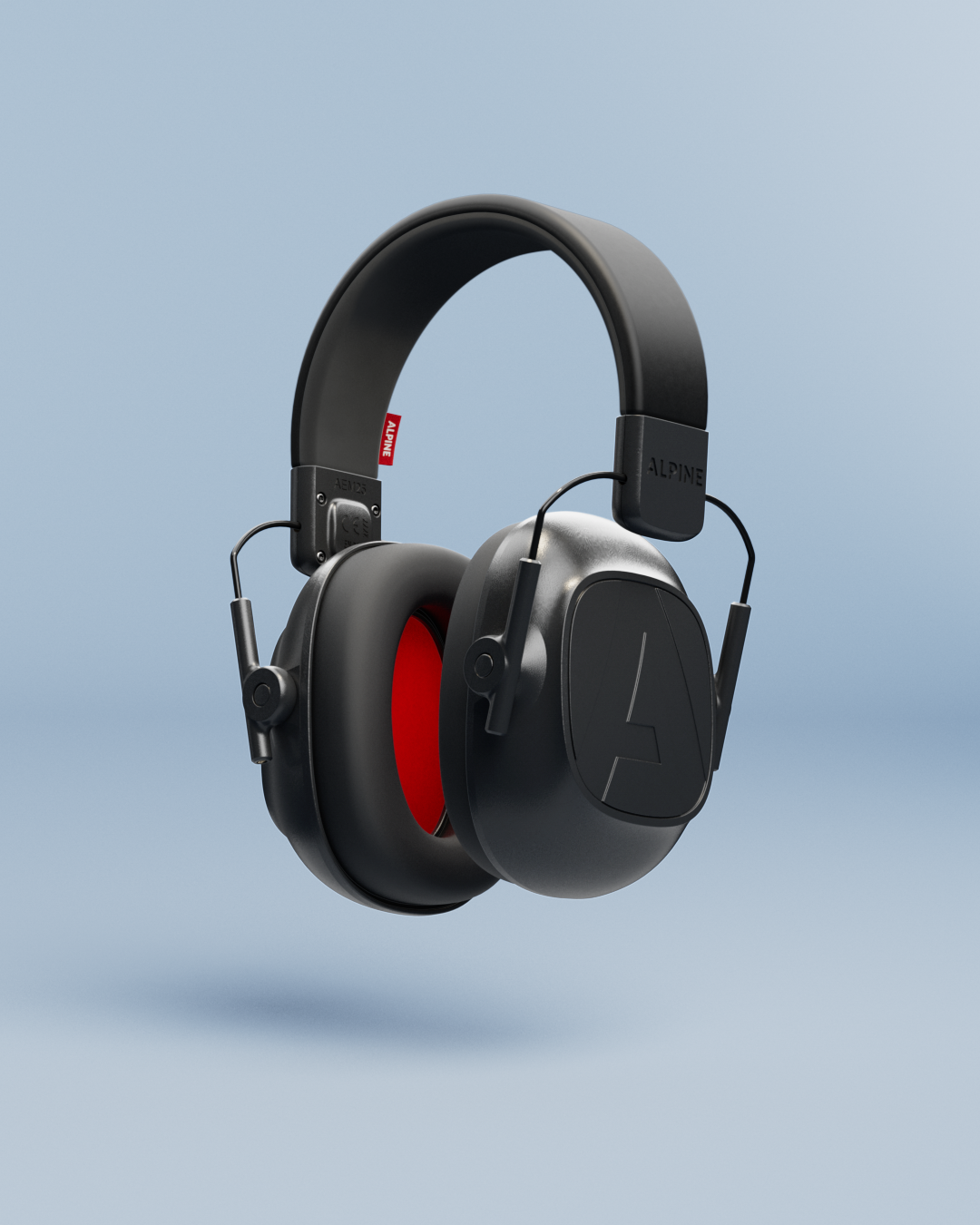
Why Alpine WorkSafe Earplugs Are Designed for Industrial Work
Alpine WorkSafe earplugs were specifically developed for demanding work environments where workers need protection while still staying aware of what is happening around them.
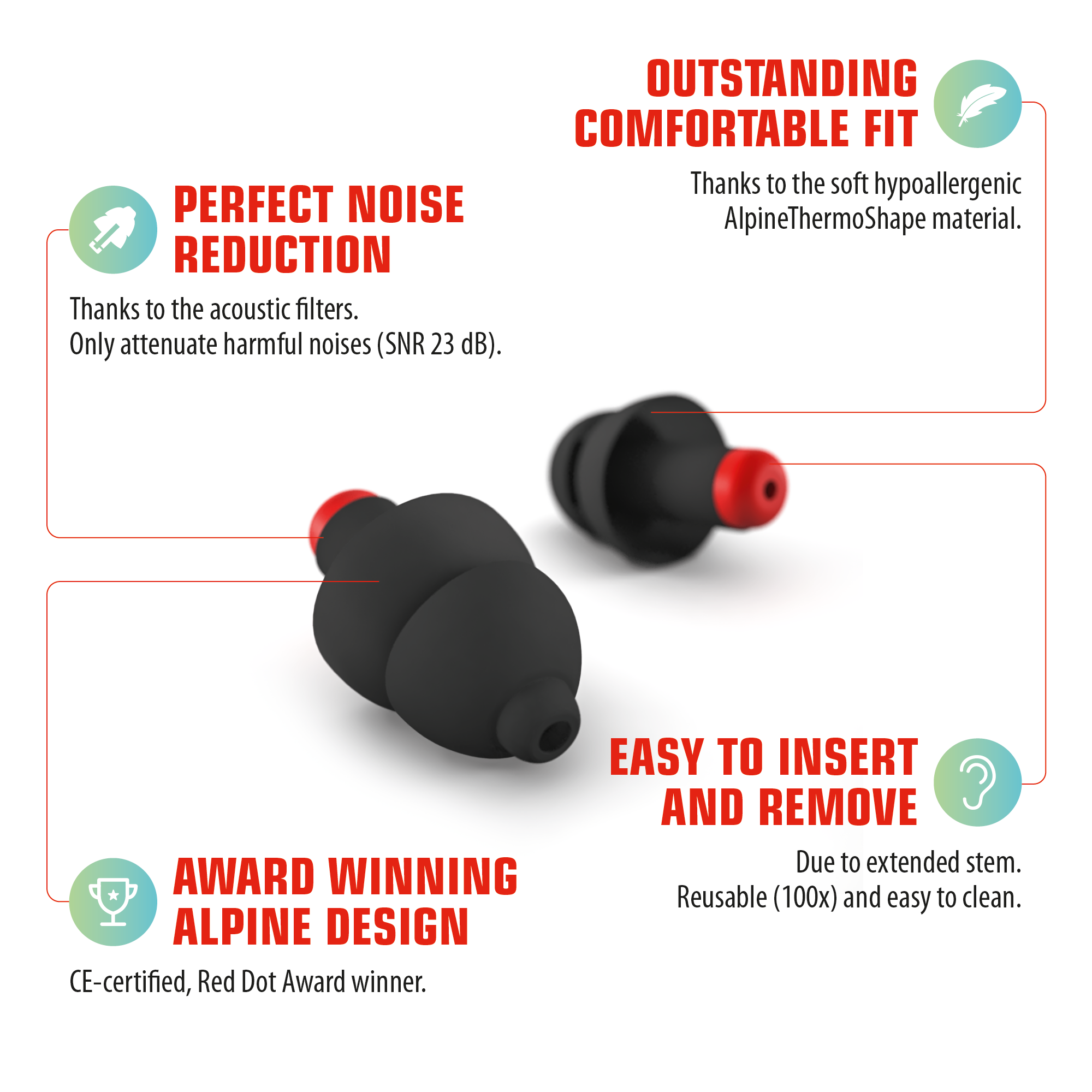
Reduces Harmful Noise Without Isolating Workers
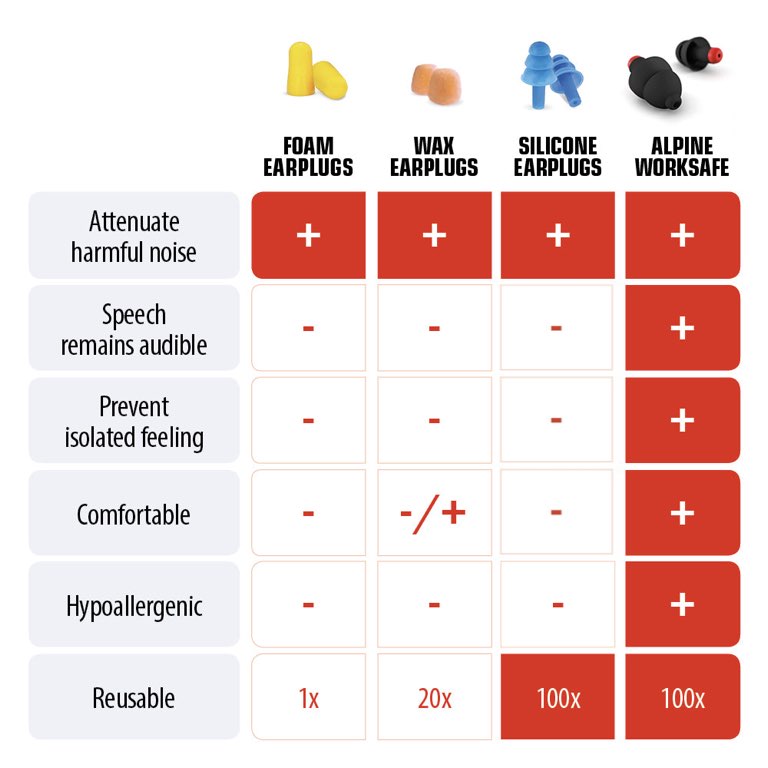
Alpine WorkSafe earplugs use special acoustic filters that reduce damaging noise levels without completely blocking sound.
This allows workers to still hear important sounds such as:
- warning alarms
- machinery feedback
- approaching vehicles
- instructions from colleagues
This balance is critical. Workers remain protected from harmful noise while still maintaining situational awareness, which is essential for safety on busy worksites.
Comfort During Long Shifts
One of the biggest complaints about disposable earplugs is discomfort. After several hours they can cause pressure, irritation and fatigue.
WorkSafe earplugs are made from AlpineThermoShape material, which adapts to the ear canal and remains comfortable even during long working days.
They also fit easily under:
- Helmets
- Hard hats
- Other safety gear
When hearing protection is comfortable, workers are far more likely to actually wear it consistently.
Built for Repeated Use
Unlike disposable earplugs, WorkSafe earplugs are designed to be reused many times with proper care. This makes them a practical option for industries where hearing protection is used every day.
Companies benefit from:
- Less waste
- Reduced supply costs
- More reliable protection
How to Choose the Best Earplugs for Industrial Workers
When selecting hearing protection for industrial workers, companies should consider more than just noise reduction.
The best earplugs should also support safety, comfort and communication.
Key factors include:
Effective Noise Reduction
Earplugs should reduce harmful noise while still allowing workers to hear important sounds around them.
Situational Awareness
Workers must be able to hear alarms, instructions and equipment changes. Earplugs that completely isolate sound can create safety risks.
Comfort for Long Shifts
Comfortable earplugs are more likely to be worn consistently throughout a shift.
Durability and Sustainability
Reusable earplugs reduce waste and often provide better long-term value than disposable options.
Protecting Workers’ Hearing Is Part of Responsible Business
Hearing loss is one of the most common occupational health problems worldwide. Yet it is also one of the easiest to prevent with proper protection.
Companies that take worker wellbeing seriously are increasingly moving beyond disposable PPE and investing in long-lasting solutions that protect workers properly while maintaining safety on site.
Reusable hearing protection like Alpine WorkSafe earplugs helps companies:
- Protect worker health
- Maintain safe communication on site
- Reduce environmental waste
- Lower long-term PPE costs
Looking after workers’ hearing today helps ensure they still have it tomorrow.
Protecting workers from excessive noise is not just about meeting safety regulations or ticking a compliance box. It is about recognising that the people operating machinery, building infrastructure and working long shifts in noisy environments depend on their hearing for the rest of their lives.
Hearing loss cannot be repaired, replaced or restored once it happens.
The good news is that preventing it is simple. Providing effective hearing protection that workers will actually wear, and that still allows them to remain aware of their surroundings is one of the easiest and most responsible decisions a company can make. Protect the job today, but protect the worker’s hearing for life.